
Half Round Guttering
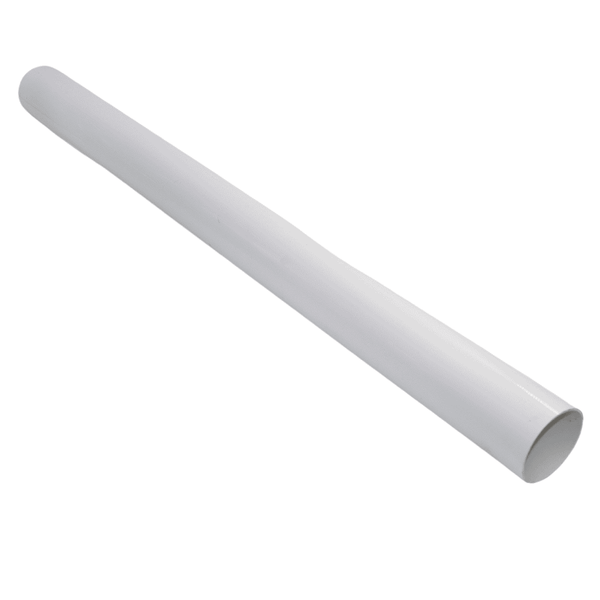
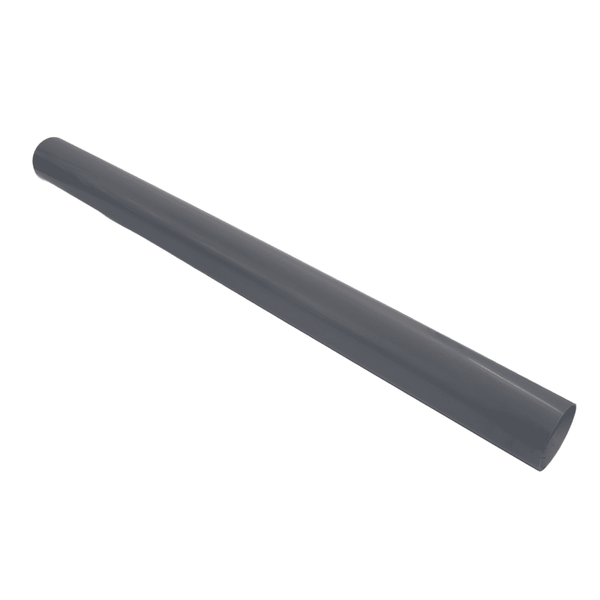
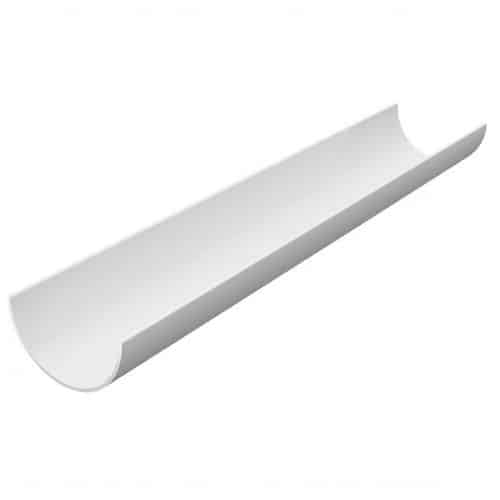
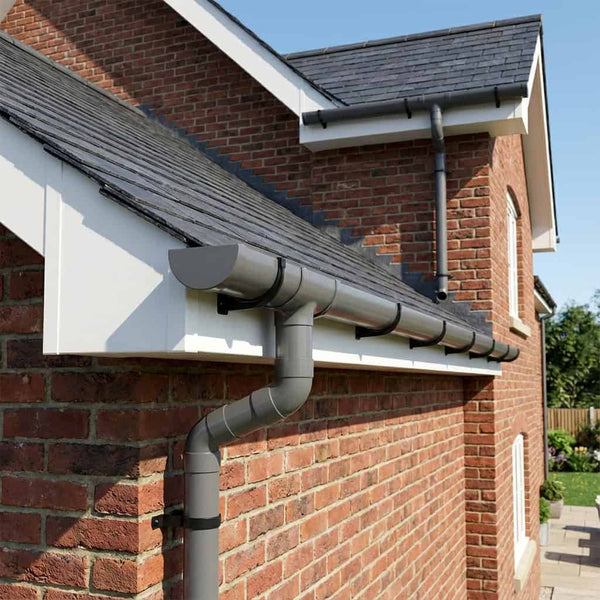
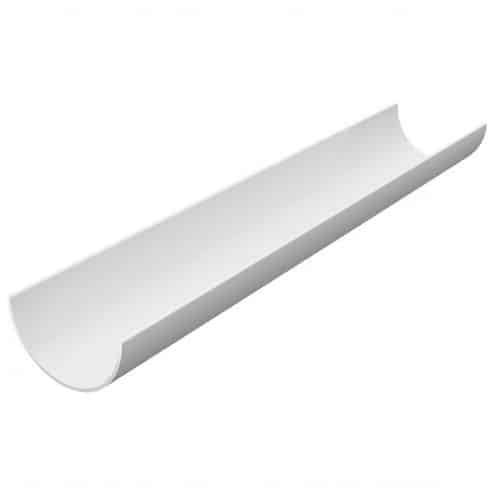
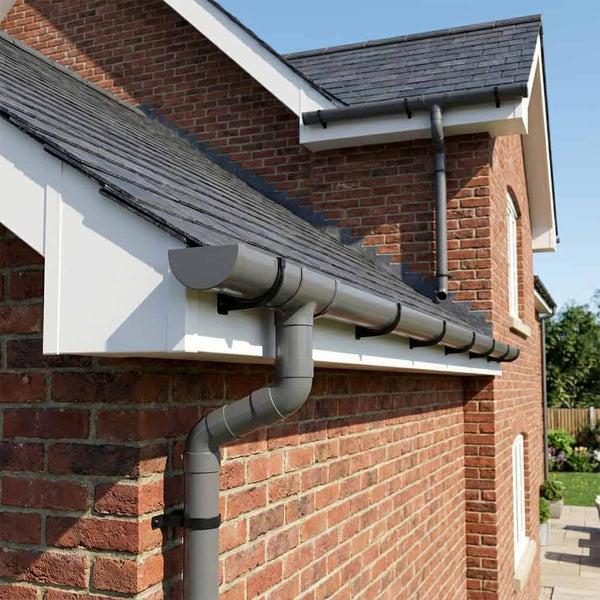
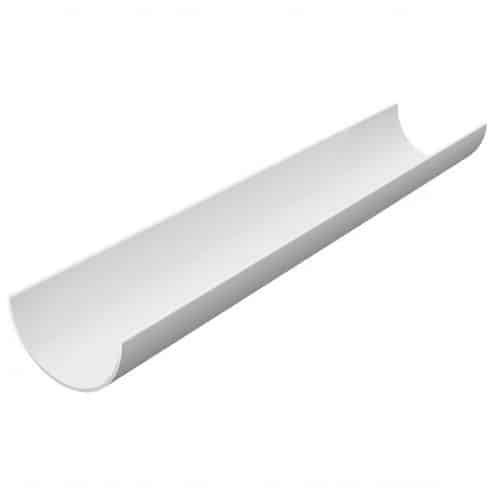
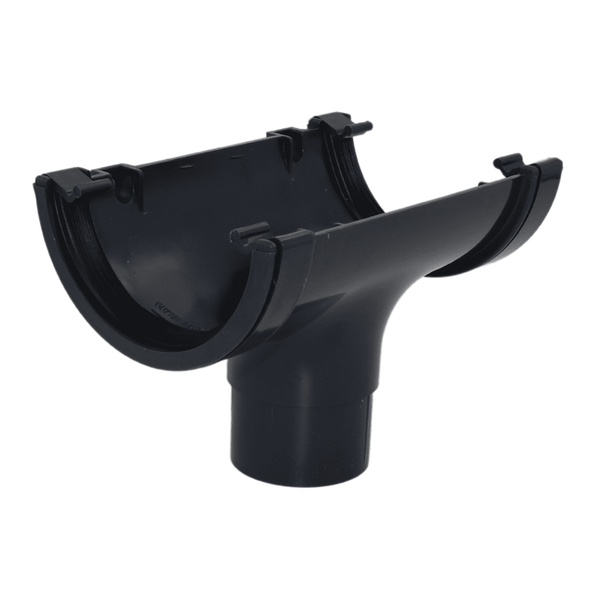
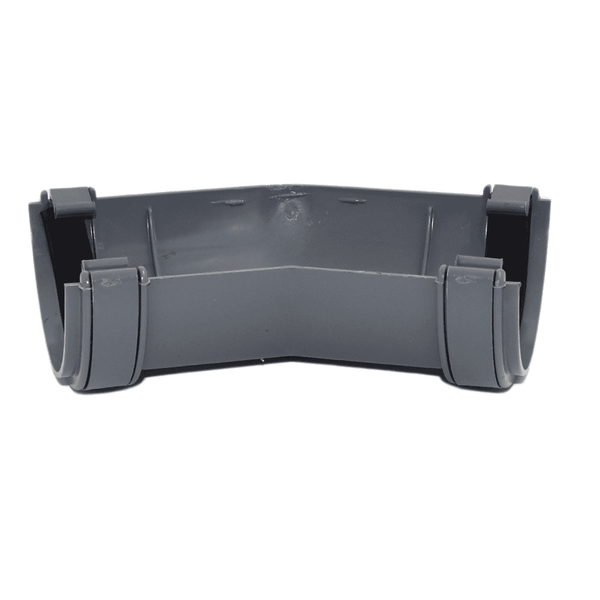
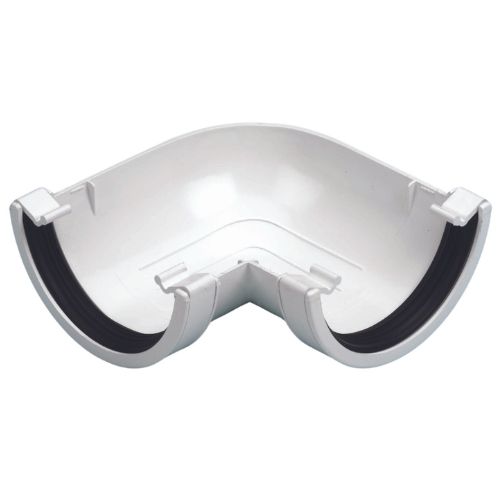
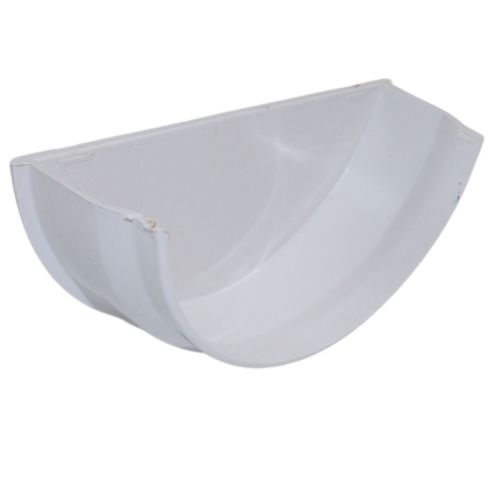
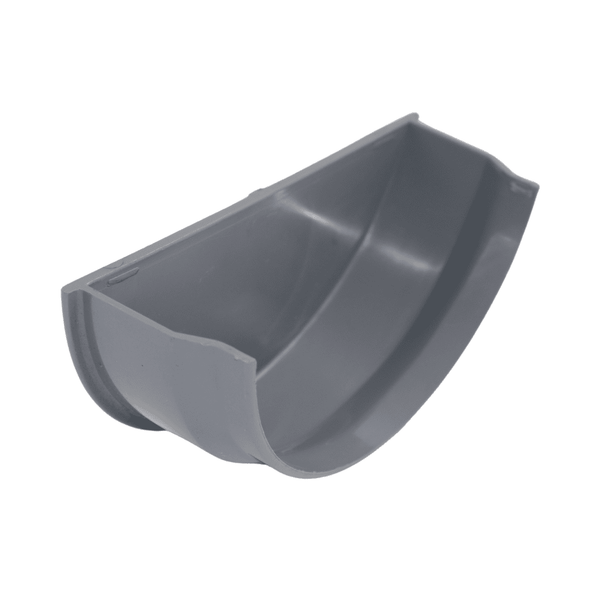
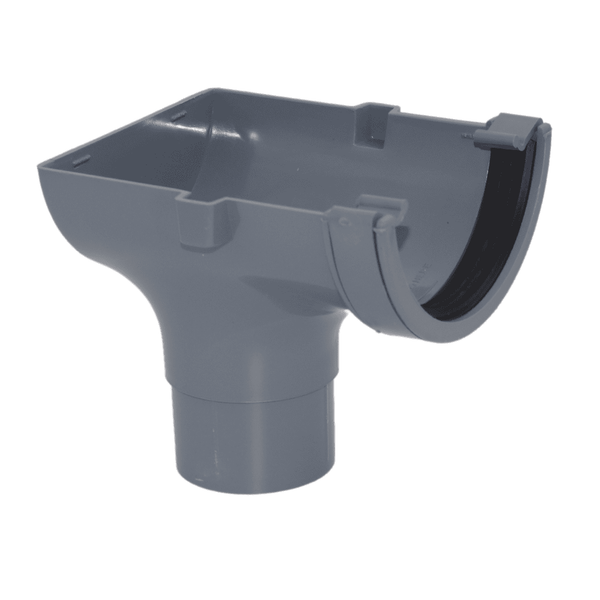
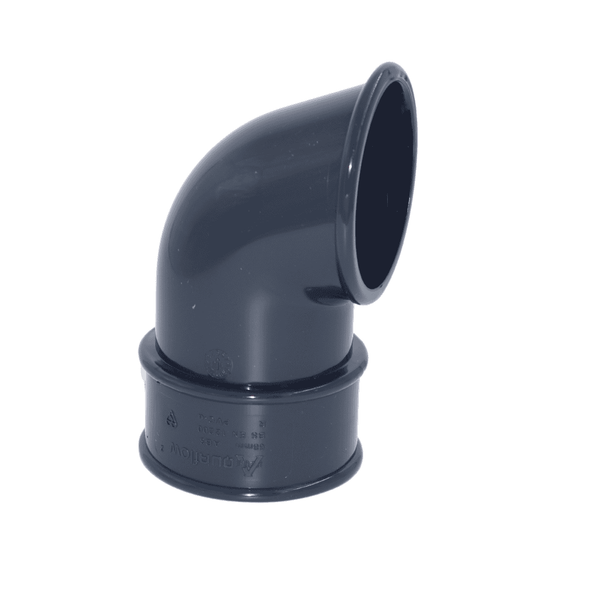
Half round guttering is the standard domestic profile, sitting in brackets on the fascia and suiting most house roofs without altering the roofline. Plastic guttering runs at 112mm in 2m, 3m and 4m with 68mm round downpipe, angles and outlets, hung off the fascia board. For a larger roof, see deep flow guttering.
Free delivery on orders over £150 inc VAT.
22 UK Branches
In Stock





In Stock


Aquaflow Gutter Guard 0.5m (pack of 10)Length: 0.5m
£13.96/ packInc. VAT
£1.39 / panel
View Product
Available

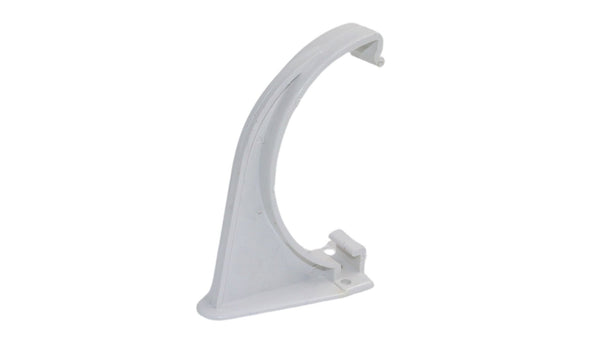
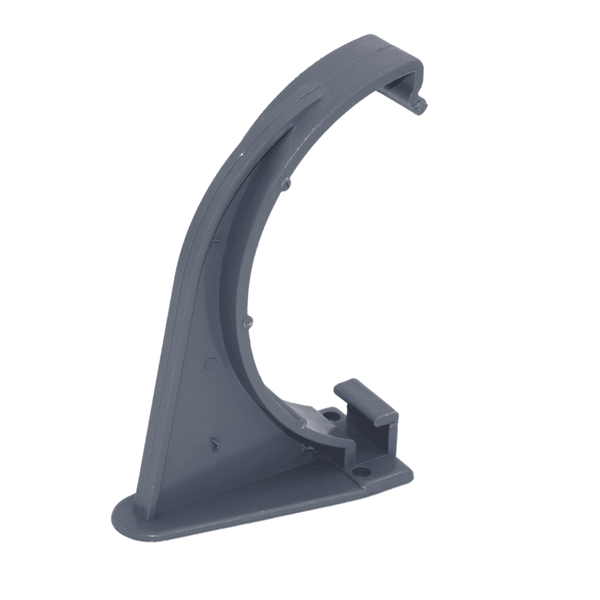
In Stock
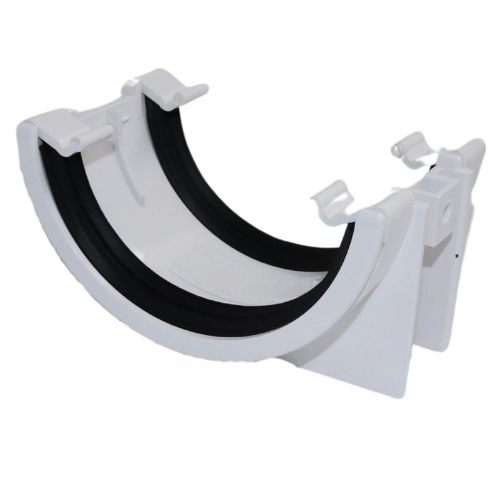

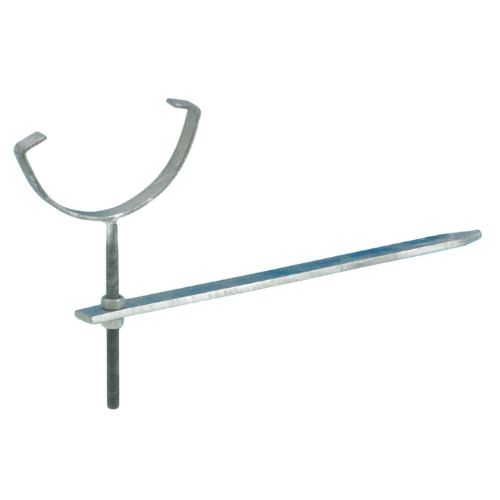






Choosing Half Round Guttering
Frequently Asked Questions
Look at the front edge from the ground. A plain curve is half round, a flat face with a square shoulder is square, and a moulded, shaped front is ogee. Then measure across the top of the gutter: 112mm and 114mm are the common domestic sizes, with 125mm, 130mm and 170mm on deeper and commercial systems.
Most house roofs are fine on 112mm half round with 68mm downpipe. Step up to a deep flow or ogee profile where the roof area is large, the pitch is steep, or one run serves a long elevation. Warehouse, farm and flatted buildings need the 170mm and 200mm commercial sections.
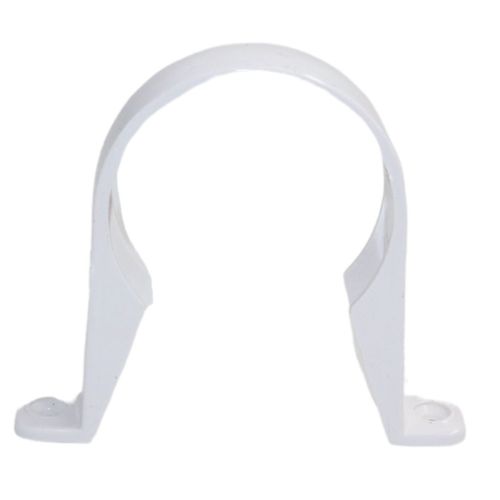
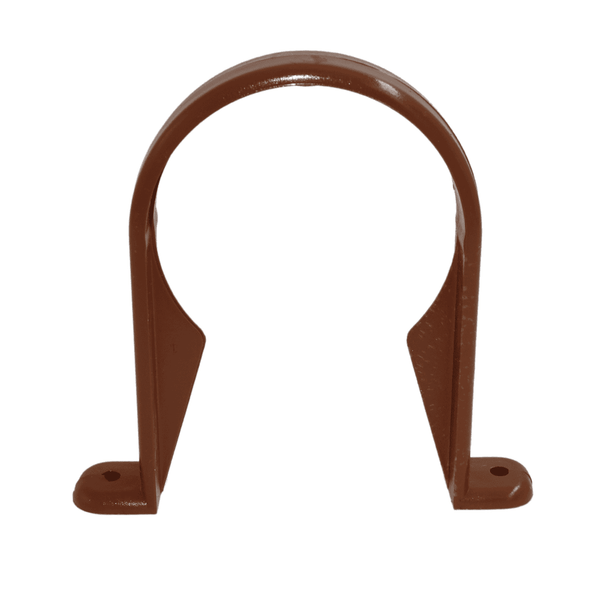
Fascia brackets are normally fixed at 800mm to 1000mm centres, closer where snow load is likely, with a bracket within 150mm of every union, angle and outlet. Set a fall of roughly 1:600 towards the outlet, about 3mm per metre, so water runs off rather than standing in the bottom of the gutter.
Not reliably. Profiles that look alike often differ by a few millimetres across the seal, so a union from one system may not grip, or may leak, on another. Match the profile and size already on the building. If a run is being replaced piecemeal, bring an offcut or a photo of the union before ordering.
68mm round is the standard partner for half round and deep flow guttering, and 66mm square goes with square and ogee profiles. Cast iron effect systems use a narrower 65mm square to keep the period proportions. The pipe has to match the outlet on the gutter, so settle the gutter profile first.
Twice a year is the usual advice — once after leaf fall and once in spring — and more often under trees. Standing water, plant growth in the gutter, or a stain running down the wall below a joint all mean it needs attention sooner. A gutter brush on a pole clears most domestic runs from the ground.