
Underground Drainage
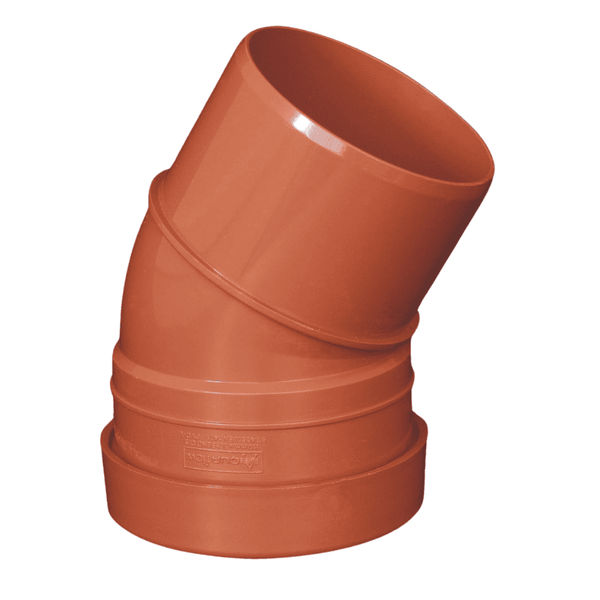
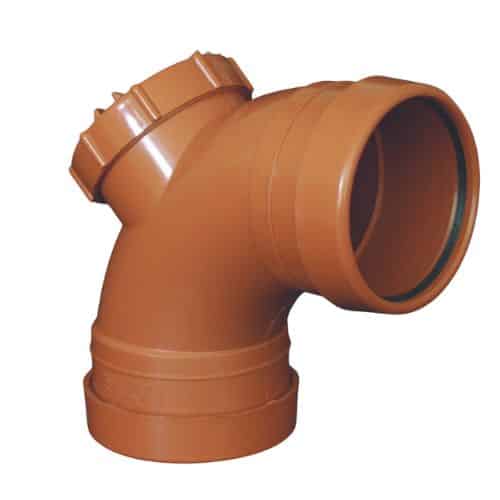
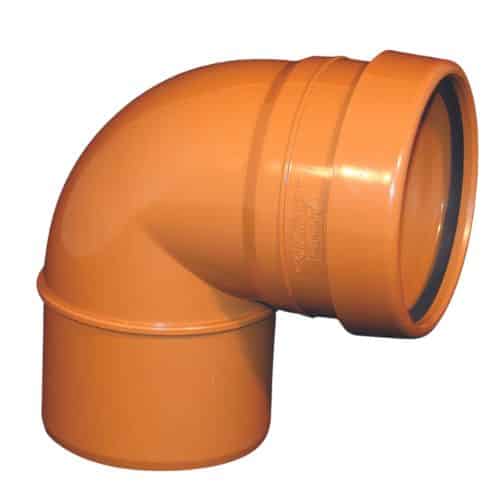
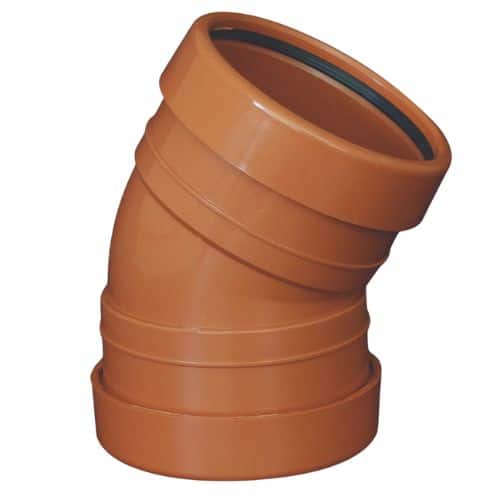
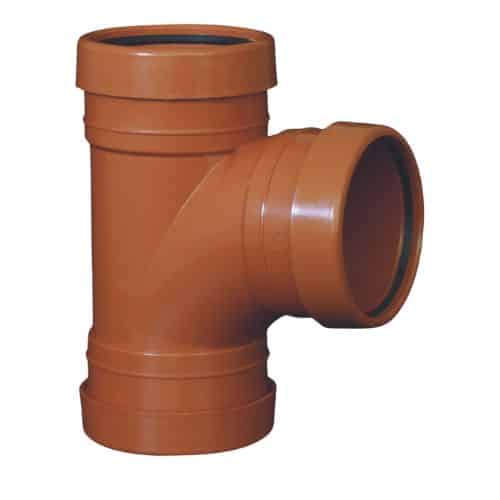
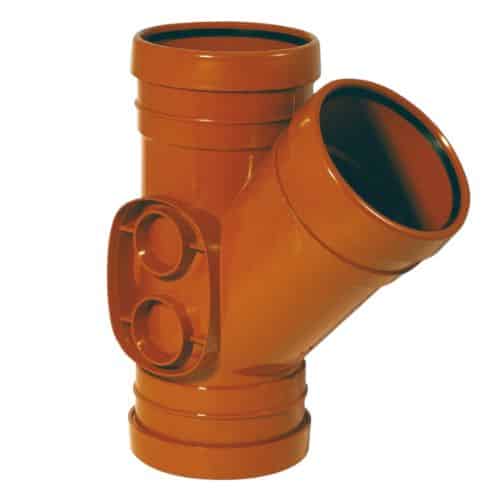
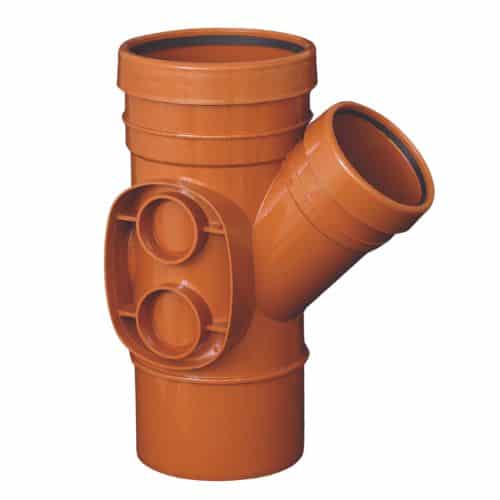
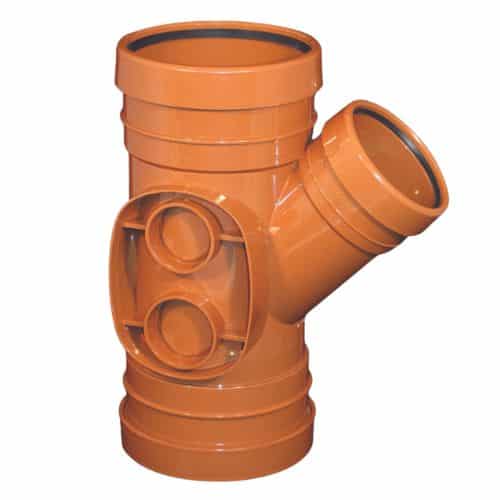
Underground drainage carries foul and surface water from a building out to the sewer or a soakaway. Drainage pipes run in 110mm and 160mm at 3m and 6m, with bends, junctions, gullies and 470mm chambers to build a system that can still be rodded. Most house runs use 110mm pipe throughout.
Free delivery on orders over £150 inc VAT.
22 UK Branches
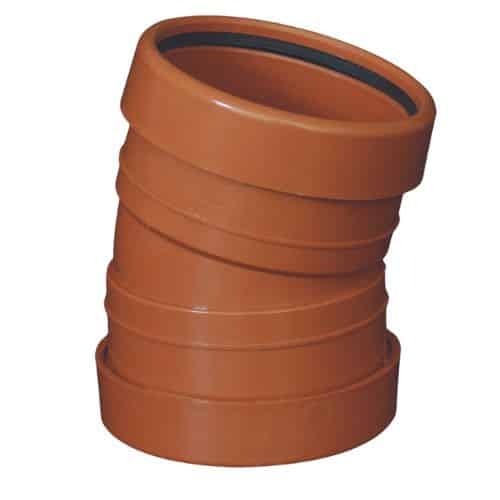
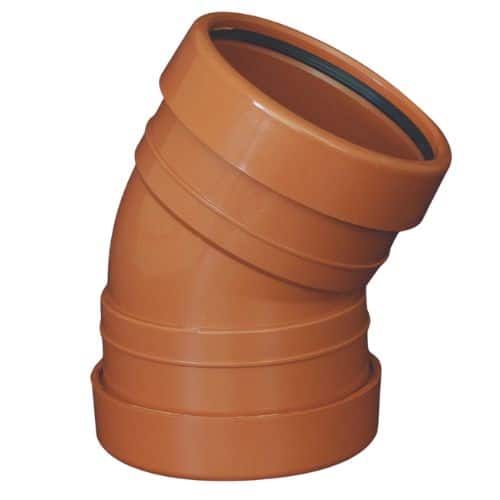
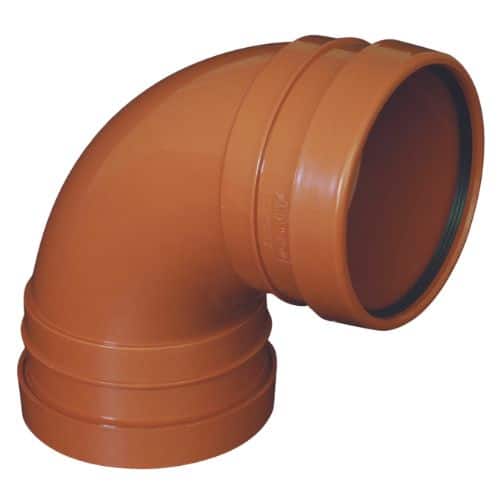
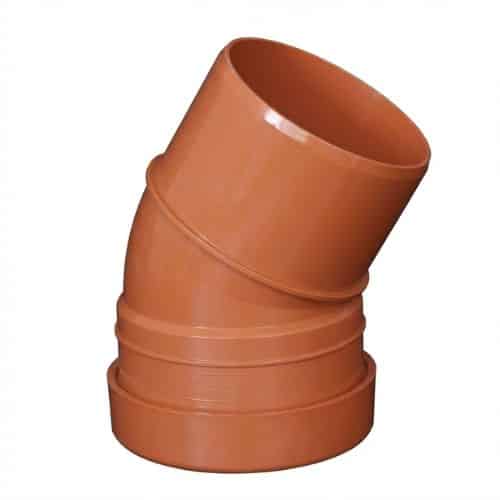
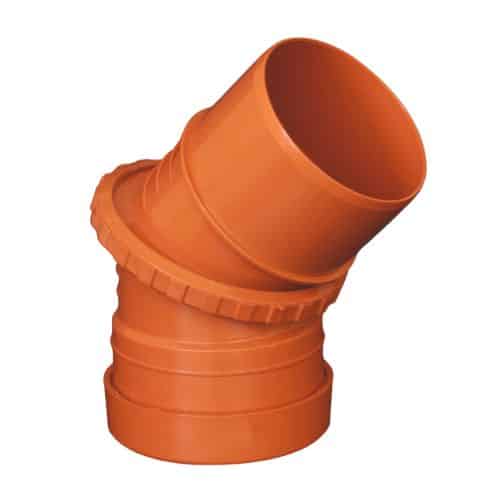
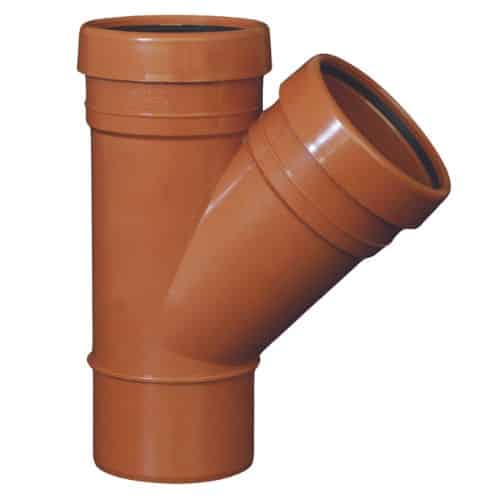
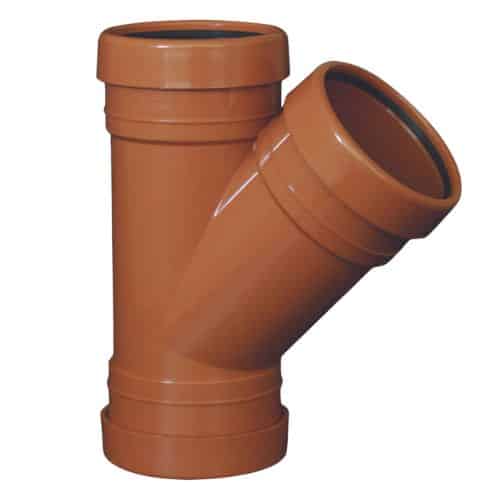
In Stock
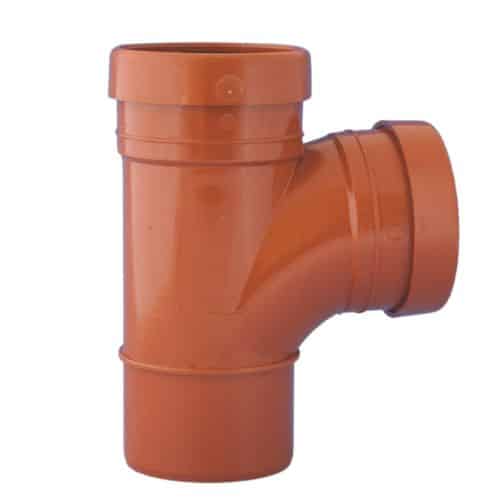
In Stock
Choosing Underground Drainage
Frequently Asked Questions
110mm covers almost every house run, foul and surface water alike. 160mm is for a larger building, a shared run serving several properties, or where an existing 160mm line has to be matched. Oversizing is not a safe default — a pipe running part full at low velocity is more likely to silt up.
As a general guide, a pipe under a garden or footpath is laid with at least 600mm of cover, and at least 900mm under a driveway or anywhere vehicles run. Shallower runs need protection such as a concrete surround. Depths, falls and bedding are covered by the Building Regulations, so confirm with building control before you backfill.
Granular material — pea shingle or similar — laid to an even bed so the pipe is supported along its whole length rather than bridging between high spots. Backfill in layers around and over it before any heavier material goes in. Pipe laid straight onto lumpy dug material is what cracks later under load.
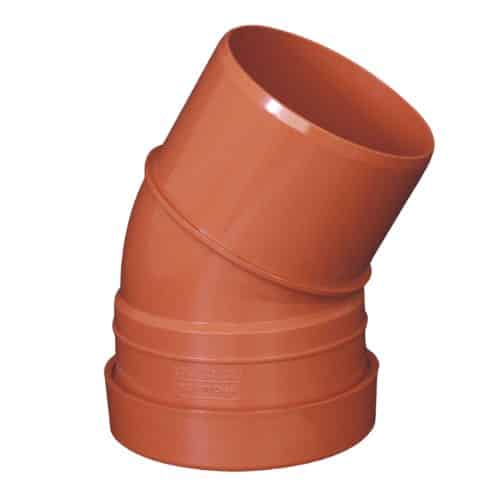
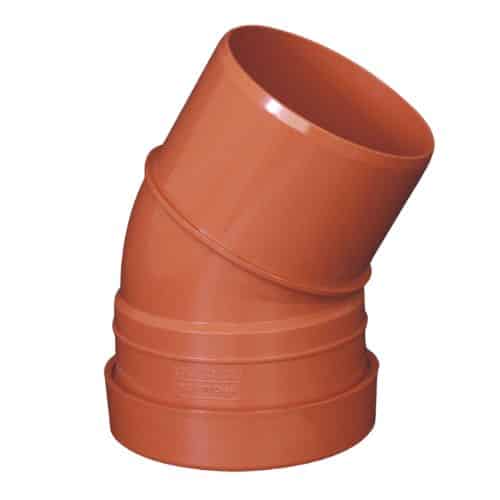
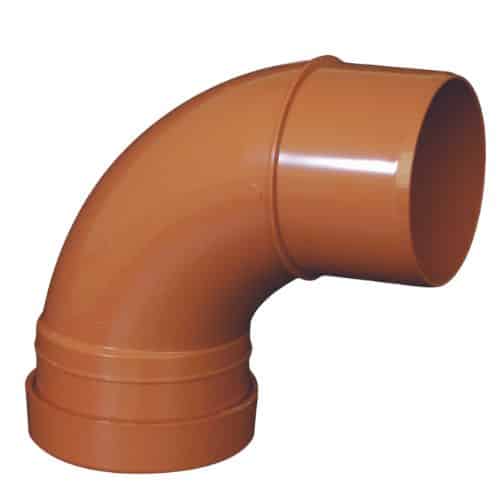
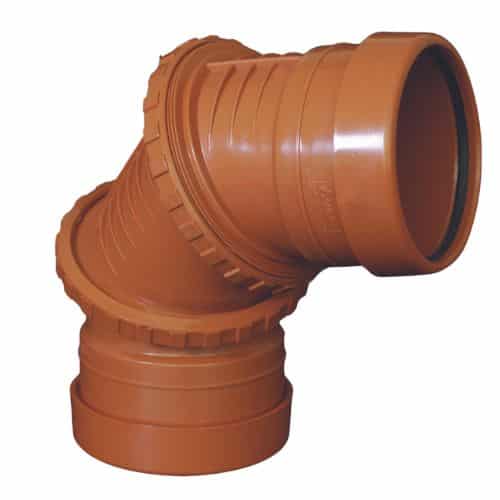
Put an inspection chamber at every junction and every change of direction, and avoid tight turns — two 45 degree bends take a corner better than one 90. Keep chambers accessible at finished ground level with a cover that lifts by hand. A run you cannot rod is a run that gets dug up.
Only where the property is on a combined sewer, which is common on older housing but not on newer estates. Where the system is separate, connecting a rainwater downpipe into a foul drain is not permitted and overloads the sewer in heavy rain. Check which system you are on before you connect anything new.
With a flexible coupler sized to both outside diameters. Old clay, pitch fibre and cast iron were made to different sizes from modern plastic, so a straight socket will not seal. Measure the outside diameter of the existing pipe at a clean cut — not the bore — and match a coupler to that figure.